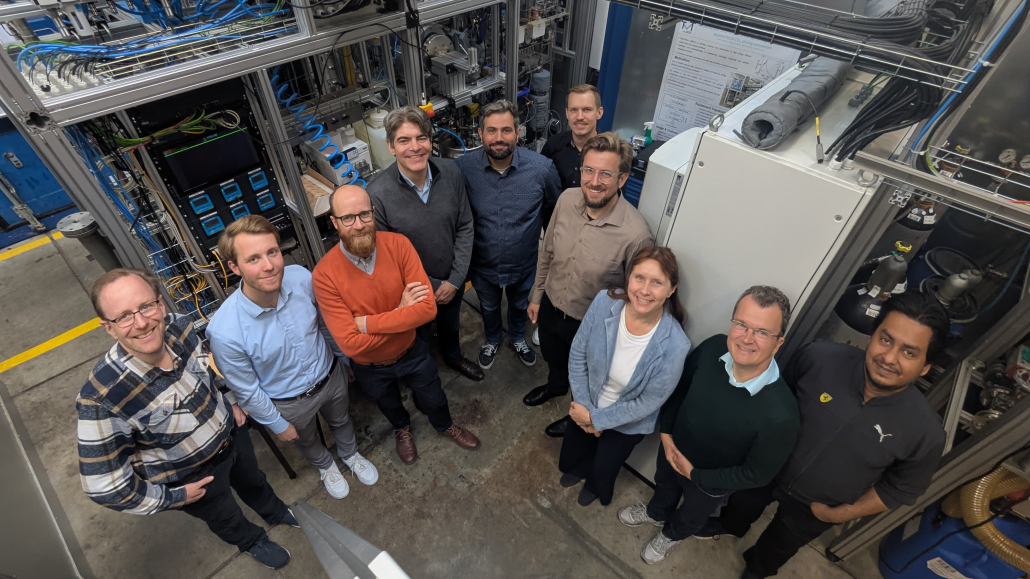
In September, Marc and Dirk travelled to Würzburg for a very special occasion – to sign a Memorandum of Understanding with Tobias Bock and Nicola Brzoska-Steinhaus of va-Q-tec Thermal Solutions GmbH.

In their strategic collaboration, aerogel-it and va-Q-tec will develop new VIP solutions based on next-generation aerogel materials. Both parties see a lot of potential across multiple industries and application. They are excited to explore the various opportunities their combined technologies offer.

Who is va-Q-tec?

va-Q-tec is a pioneer of sophisticated solutions for thermal energy efficiency as well as temperature-controlled supply chains. The company develops, manufactures and sells thin, highly efficient Vacuum Insulation Panels (VIPs) for thermal insulation as well as intelligent Phase Change Materials (PCMs) for reliable temperature control. Through the targeted combination of VIPs and PCMs, va-Q-tec manufactures thermal packaging systems (boxes) that maintain constant temperatures for food and pharmaceuticals for up to five days during transportation without an external energy supply. In addition, VIPs and PCMs optimize the energy footprints of various applications, such as buildings, hot water storage tanks, local and district heating pipes as well as household appliances and laboratory equipment. The products of va-Q-tec enable a global improvement in thermal energy efficiency and thus make a valuable contribution to climate protection.

Marc and va-Q-tec founder Dr. Joachim Kuhn have known each other for more than 20 years and have collaborated on multiple R&D projects (during Marc’s time at BASF).

What have we done so far?


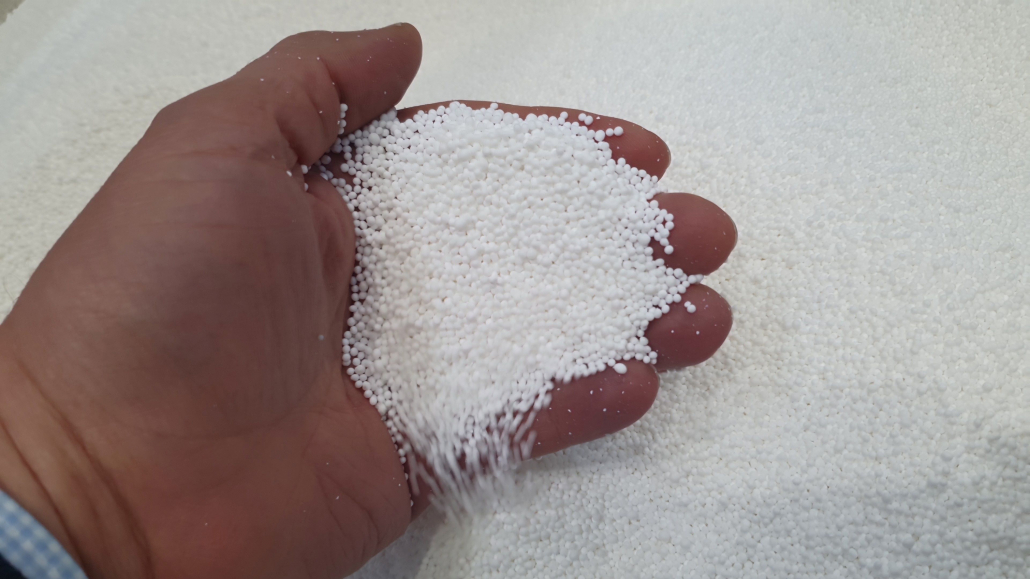
In 2024 and 2025, va-Q-tec and aerogel-it collaborated in the BIOVIPWALL subproject of the iclimabuilt project where they gained important learnings on bioaerogel VIP manufacturing and integration. First prototypes of bioaerogel VIPs were already shown at the BAU 2025 construction fair in Munich. And in April 2025, va-Q-tec, aerogel-it have started a new project AEROLIGNOCEL with Kahnt & Tietze GmbH and Hamburg University of Technology on new aerogel solutions based on biorefinery raw material streams.

Stay tuned for further exciting updates from this collaboration in the future!
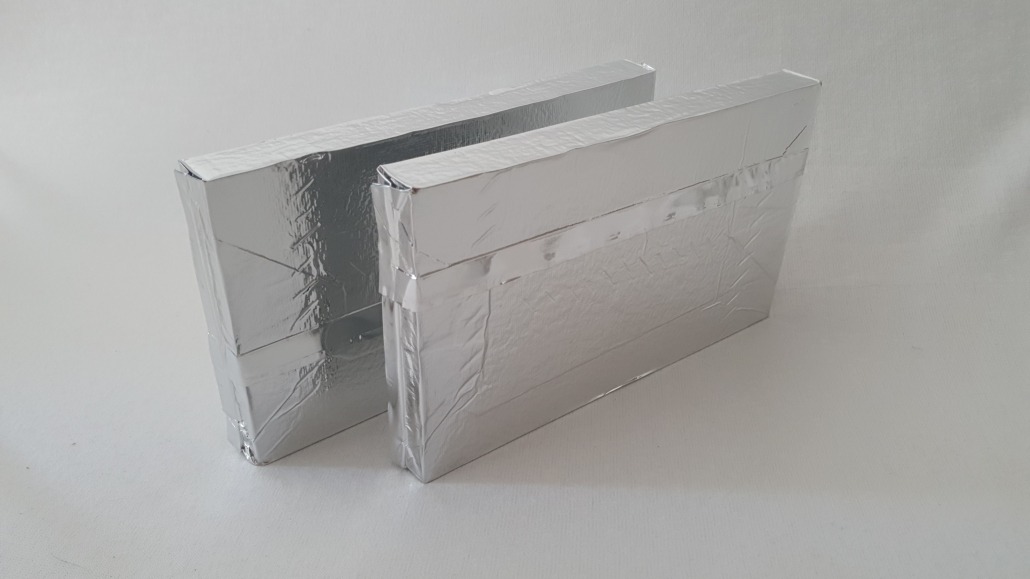
Vacuum insulation panel

In April 2025, the aerogel-it team started the public funded project AEROLIGNOCEL together with our partners Hamburg University of Technology (TUHH), Kahnt & Tietze GmbH and va-Q-tec Thermal Solutions GmbH. AEROLIGNOCEL is funded by the Federal Ministry for Economic Affairs and Energy.

Last week the partners came together TUHH to discuss results and further directions we want to explore. TUHH were great hosts of an excellent and productive meeting – thank you! 🙏

Project Background

The aerogel-it team sees great opportunities for bioaerogel materials such as our cellulose bioaerogel. However, we currently rely on commercially available raw materials which in some cases have undergone unnecessary processing and do not match our requirements well. This causes increased cost and environmental burdens. As alternative, there are lots of interesting side streams that are relevant e.g. from agriculture or the food industry, with biorefineries as important cornerstone.

What will be worked on

aerogel-it and TUHH will investigate various bio-based raw material sources and side streams. From these, we will develop new aerogel materials for Construction and vacuum-insulation applications e.g. in thermally-controlled logistics. Kahnt & Tietze and va-Q-tec will integrate and test these new aerogel materials at lab and pilot scale. An important aspect is scalability of the new aerogel materials to get to commercially relevant solutions.

The benefits

We expect new new aerogel material classes and technical solutions, improved sustainability footprints and lower cost. Furthermore, we expect to identify new raw material sources including side streams. Finally, there will be important learnings on scaling up of these bioaerogel materials and on how they are integrated best into the applications.

The project will run until March 2028. Stay tuned!

Marc Fricke, Alberto Bueno Morales, Eduard SIEMENS, Alexander Kahnt, Nicola Brzoska-Steinhaus, Baldur Schroeter, Irina Smirnova, Michel Groth

AEROLIGNOCEL meeting pilot plant
AEROLIGNOCEL meeting at the TUHH pilot plant
AEROLIGNOCEL meeting restaurant
AEROLIGNOCEL meeting dinner

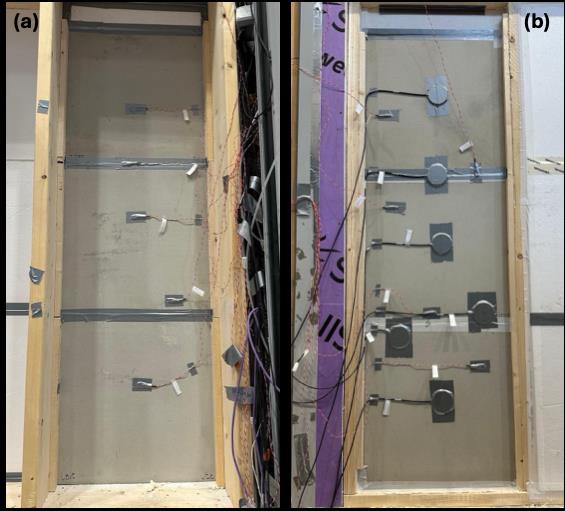
Recently, the aerogel-it team concluded the BIOVIPWALL open call project within the iClimabuilt project, funded by EC Horizon Europe were they investigated ultra-thin prefab concrete sandwich elements with bioaerogel VIP insulation!

The background

Prefab sandwich wall elements are interesting for both new construction as well as for serial renovation of existing buildings as they can be mass-produced in factories. This enables leveraging standardization and automatization for higher efficiency compared to local construction on the construction site.

But currently, almost exclusively steel-reinforced concrete is used which requires minimum thickness to protect the steel reinforcement from corrosion over time. The additional concrete leads to additional CO2 emissions during production and transportation.

Plus, the thermal insulation and the concrete layers consume valuable space.

The potential solutions that were investigated

1️⃣ With carbon-reinforced concrete (carbon concrete), the reinforcement no longer needs to be protected against corrosion. Therefore, the concrete layer can be reduced in thickness which saves space, material and transport cost, reducing CO2 footprint and reducing CO2 emissions for transportation (Of course, the CO2 emissions for the carbon reinforcement need to be considered).

2️⃣ Vacuum insulation panels (VIPs) are the highest-performing thermal insulation materials consuming the least space. The CO2 footprint of current VIPs is not particularly attractive however. Hence our new bioaerogels were tested as VIP core materials within the project.

The outcome

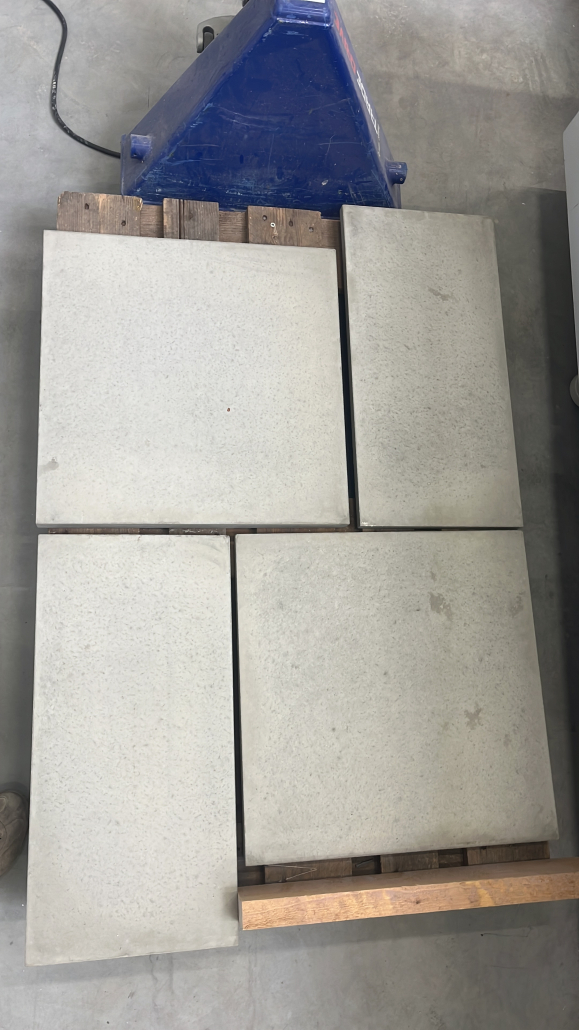
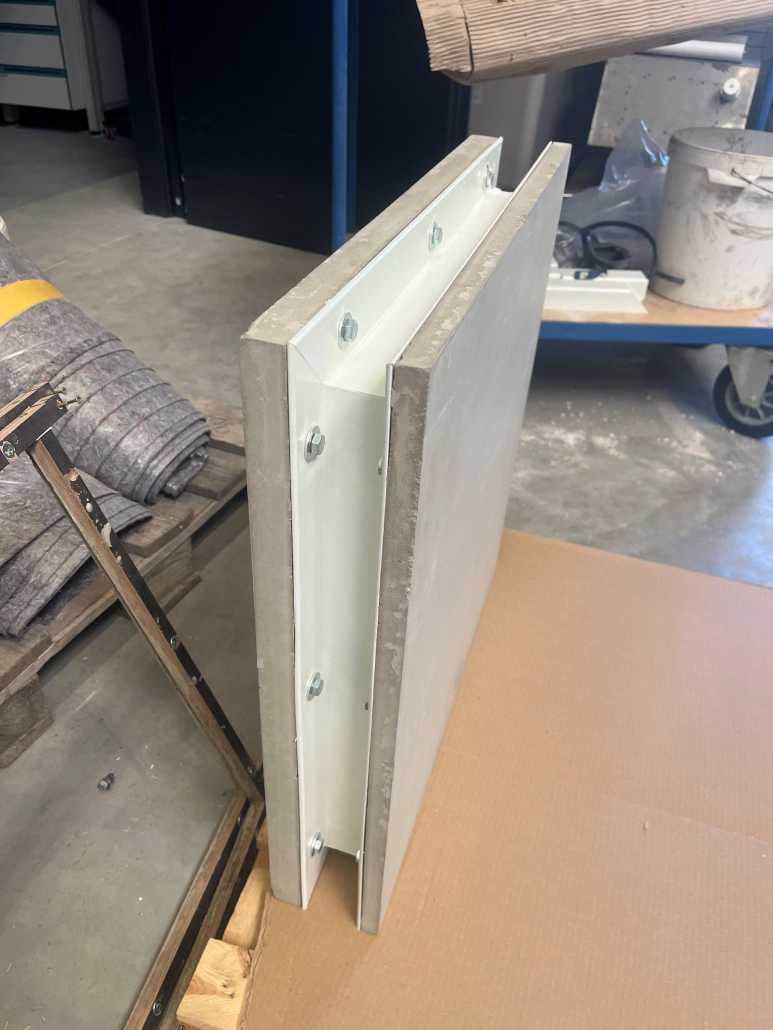
✅ Together with our project partner va-Q-tec and the iClimabuilt service providers, we developed and tested a new ultra-thin prefab sandwich wall system combining carbon concrete and VIPs containing bio-based aerogel.

✅ The overall wall thickness of the non-load-bearing showcase sandwich elements could be reduced to as little as 11 cm while retaining thermal insulation performance with a U value of 0.2 W/(m2*K)!

✅ Keeping recycling and repair in mind, the system was furthermore designed to be easy to disassemble.

✅ Based on our own calculations, we expect that a substantial CO2 footprint reduction is possible.

✅ Furthermore, we gained lots of highly valuable test results and learnings for material and systems optimization as well for the scale-up of our bioaerogel materials!

The partners

HTWK Leipzig

Politecnico di Torino

INEGI driving science & innovation

Norwegian University of Science and Technology (NTNU)

Technische Universität Dresden